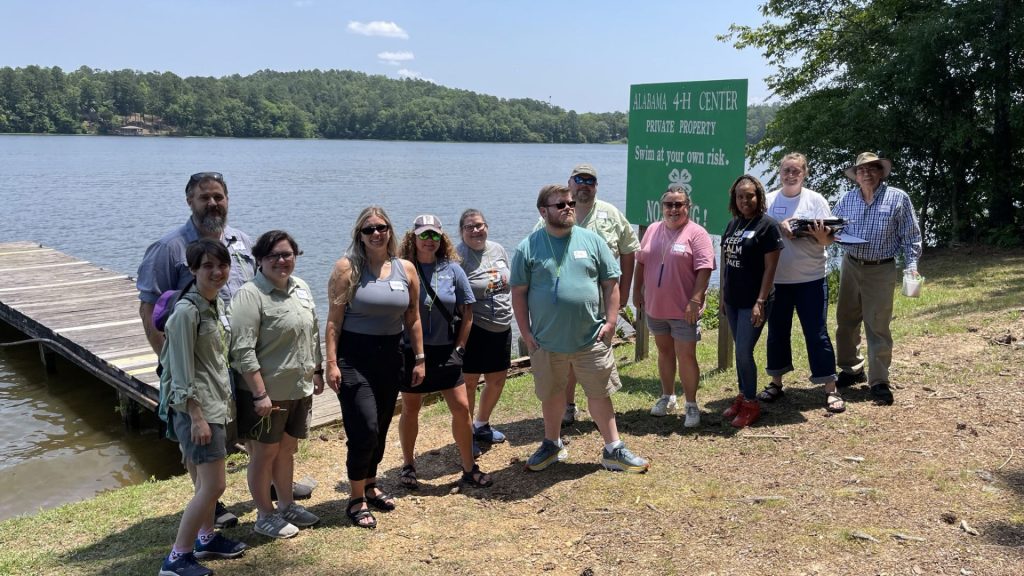
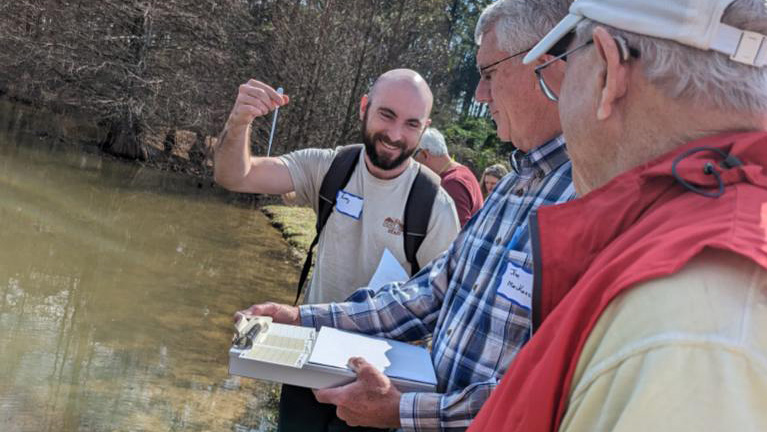
On June 6-7, 2023, a new cohort of educators gathered at the Alabama 4-H Center in Columbiana to complete their certification as 4-H Alabama Water Watch (AWW) Educators who will conduct bacteriological monitoring with their students in the coming school year. This is the second cohort of educators to be part of this NOAA BWET-funded project, which started with the first cohort in 2021.
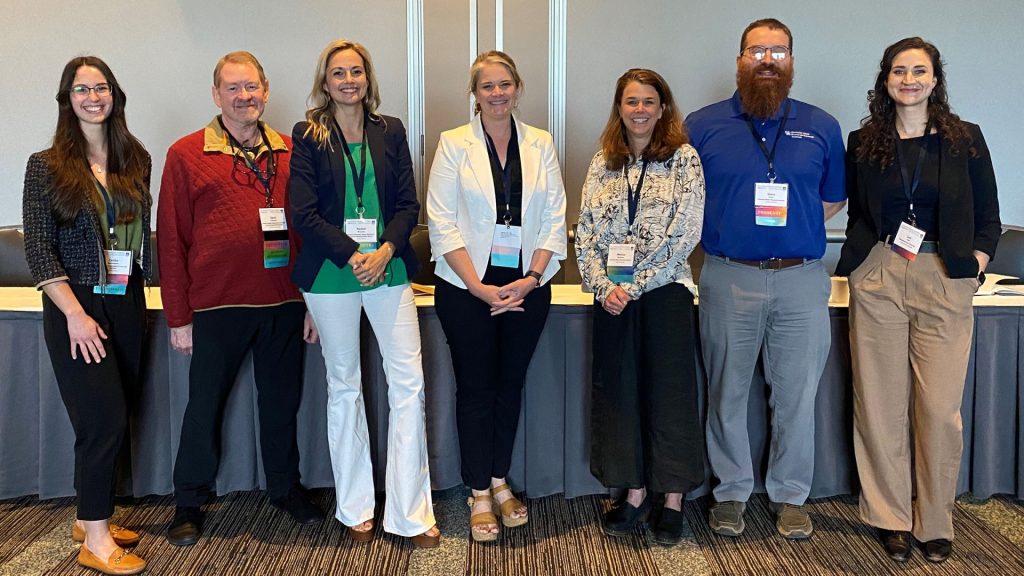
AWW’s Mona and Rachel with their Southeastern counterpart citizen science water quality monitoring programs. Featured left to right, Georgia Adopt-A-Stream (Cecilia Nachtmann), South Carolina Adopt-a-Stream (David Chestnutt), Alabama Water Watch (Rachel McGuire and Mona Dominguez), Kentucky Watershed Watch (Malissa McAlister and Steven Evans), and Mississippi Watershed Stewards (Lexi Firth) at the 2023 National Monitoring Conference. Photo Credit: Rachel McGuire
Citizen science, or community science, is a field that has seen noticeable expansion and growing relevancy in recent years. Water quality monitoring programs are some of the most established citizen science programs in the U.S., and each program is unique in how it is organized, taught, the utility of and the parameters collected, data entry and activation, and more. These programs educate residents and empower them with a language that links land use decisions, climate, water quality, and overall ecosystem health.
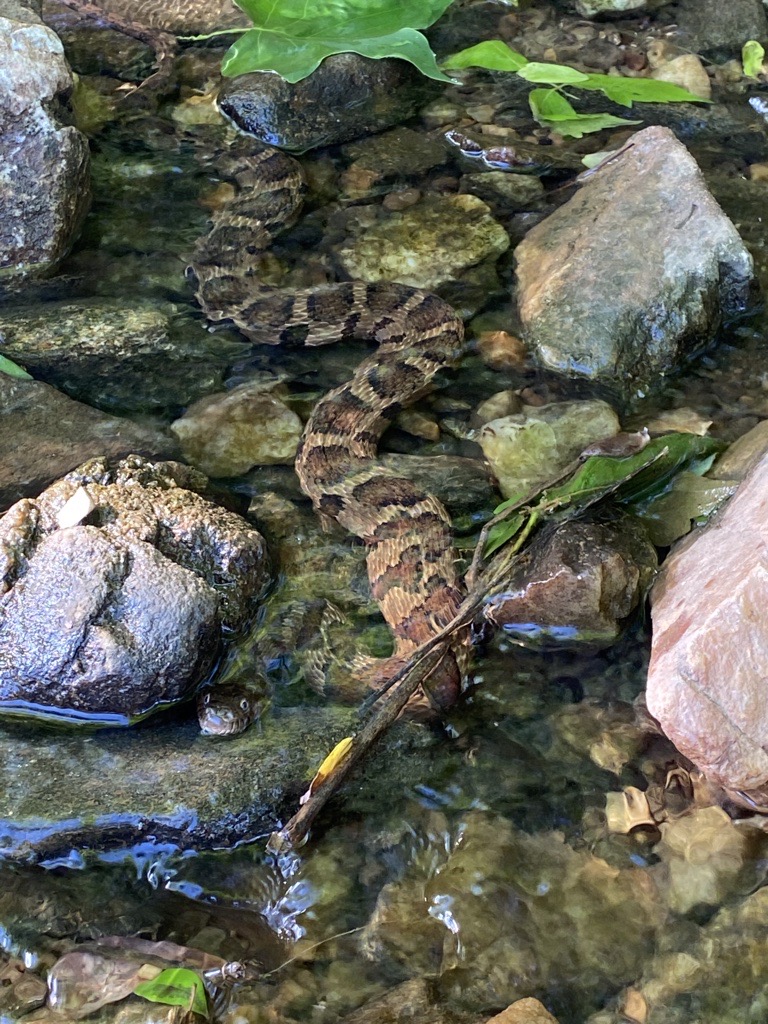
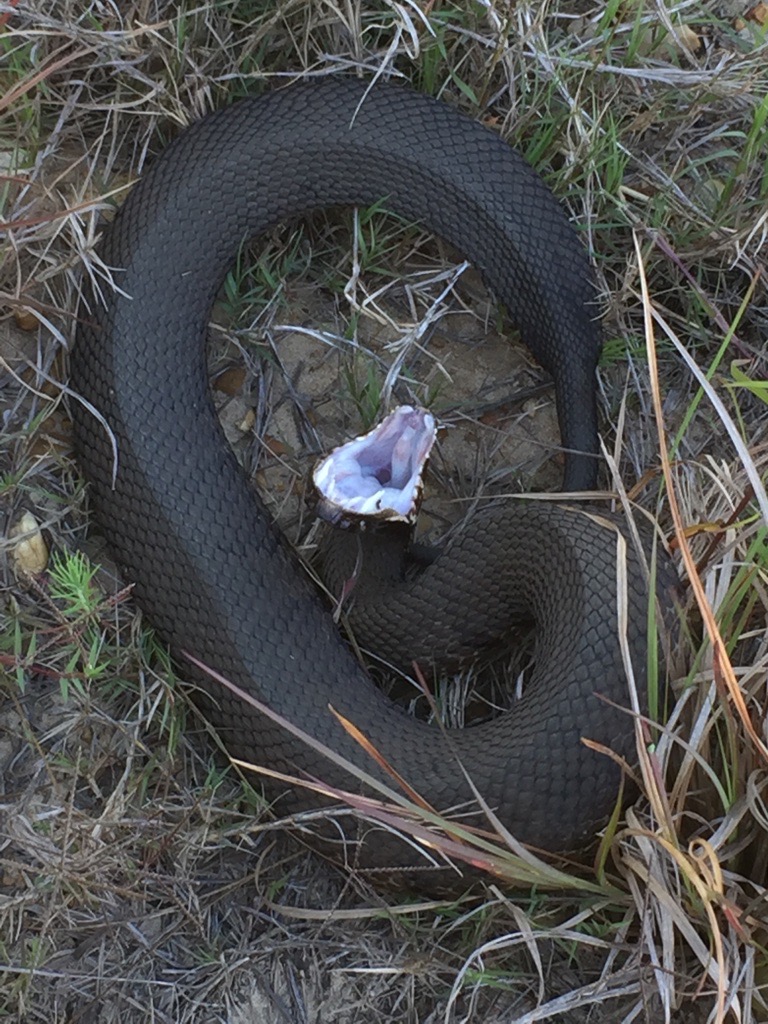
Alabama is home to 49 species of snakes, 12 of which are considered aquatic. Snakes are legless, carnivorous reptiles covered in overlapping scales. While most snakes lay eggs, the aquatic snakes of Alabama are viviparous, meaning they give birth to live young. Snakes also shed their outer layer of skin periodically as they grow. Sometimes you can find the snake shed off a trail, near a creek, or simply on the forest floor.
Snakes may instill fear in many people; however, it is important to remember they are important members of our native wildlife community and serve a function to our precious ecosystems. When encountering a wild snake, be sure to give space, respect, and appreciation.
Purchase Alabama Water Watch stickers and posters from the AWW Swag Shop!
Pick up your items at the AWW Office, an upcoming Event OR have it shipped to you. Prices include shipping!
If you need to add multiple items:
Select an item by clicking “Add to Cart”
Return to this blog post
Add other items to cart (as needed)
Go to the payment tab to pay with a PayPal account of Credit/Debit Card
Love Thy Downstream Neighbor Sticker
This 10″ by 3″ sticker has a matte finish and is perfect for coolers, and laptops! $7/Sticker
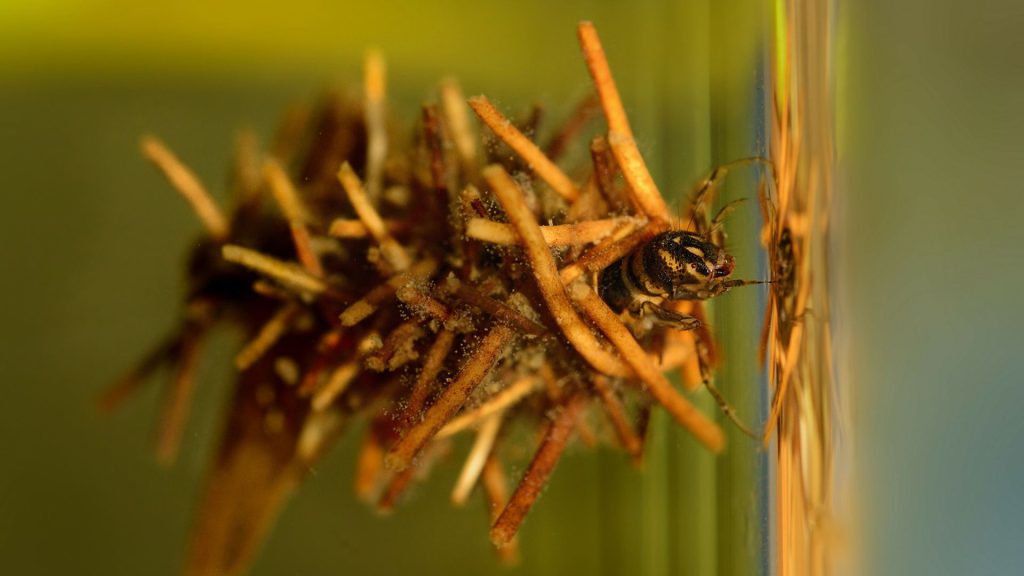
Caddisfly Sticker
This 3″ x 2.5″ die cut sticker is a favorite for water bottles! $3/Sticker
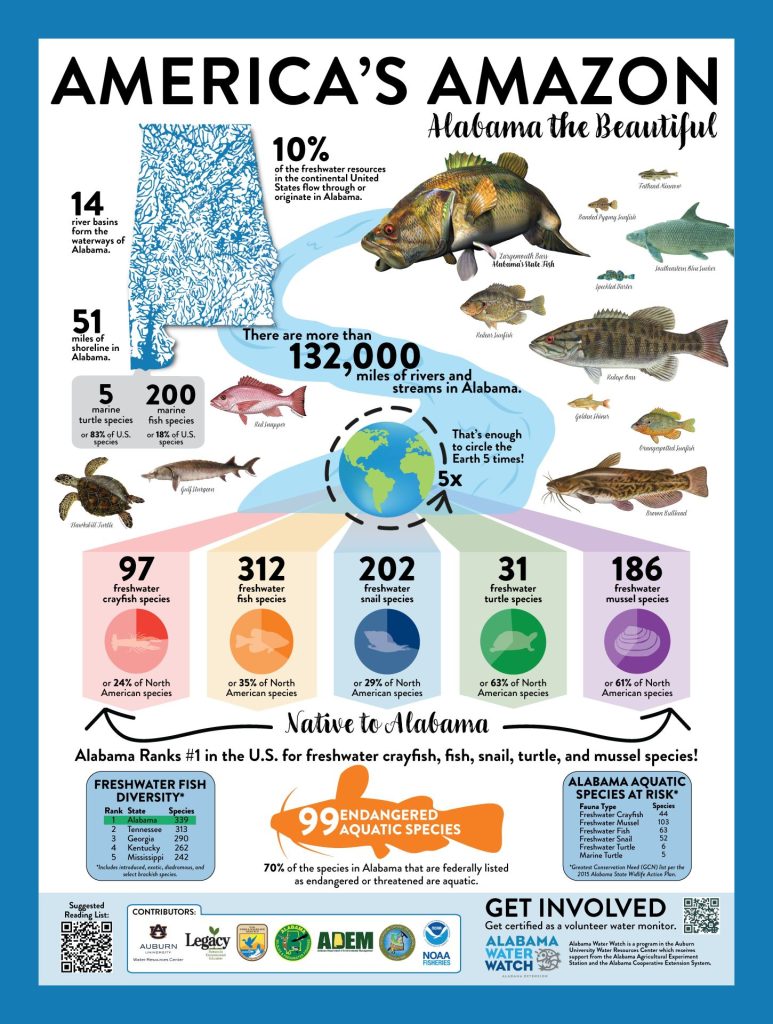
America’s Amazon Poster
This 18″ x 24″ glossy poster features the aquatic critter biodiversity of the state of Alabama!
$15 for posters picked up at AWW’s office in Auburn, AL or at an AWW Event
$25 for shipped posters
If you’d like to purchase multiple shipped posters, email awwprog@auburn.edu
If you have questions or trouble ordering give us call at 334-844-4785 or email awwprog@auburn.edu.
If you would like to pick up your swag at the AWW Office or an upcoming event, feel free to reach out to let us know by email after you place your order.
The fourth installment of our 12 Months of Aquatic Critters Blog Series is: freshwater turtles! Alabama is home to 31 species of freshwater turtles. That’s more than any other state!
Turtles have roamed the Earth for 220 million years. This diverse, but easily recognizable, group of reptiles has several common traits. All turtle species : 1) have a bony or leathery shell 2) have ribs fused to their shell and specialized neck muscles to ventilate their lungs 3) lack teeth and instead have a bony beak like modern birds and 4) are oviparous (meaning they lay eggs).
In all Alabama turtle species, the females dig a nest cavity with their hind feet. Turtles are long-lived creatures, with many species living 60-80 years or more. Females never lose their fertility, despite their longevity. Sexual dimorphism, or noticeable physical differences between males and females, is present in most turtle species. In fact, it is common for the females to grow larger than the males.
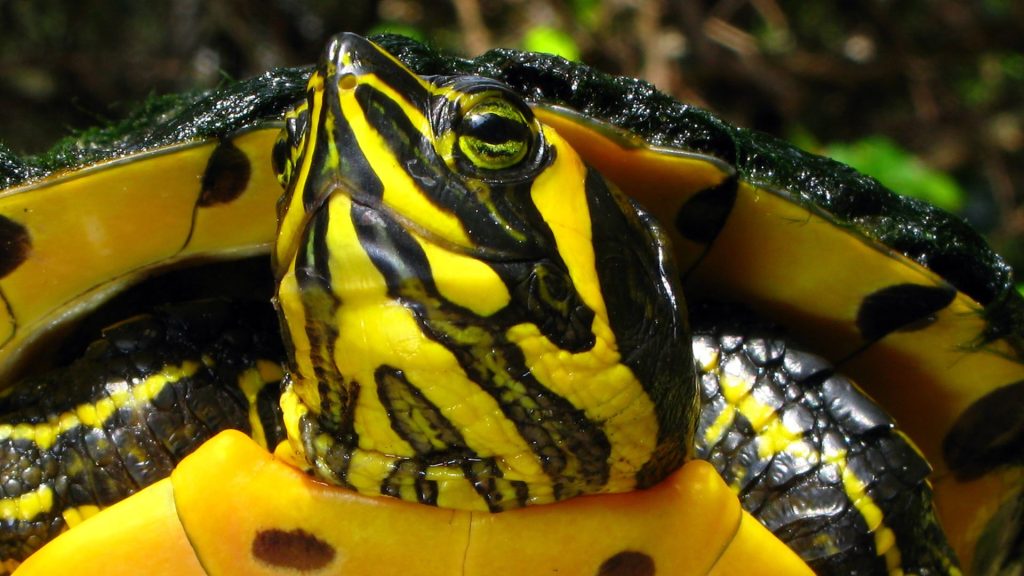
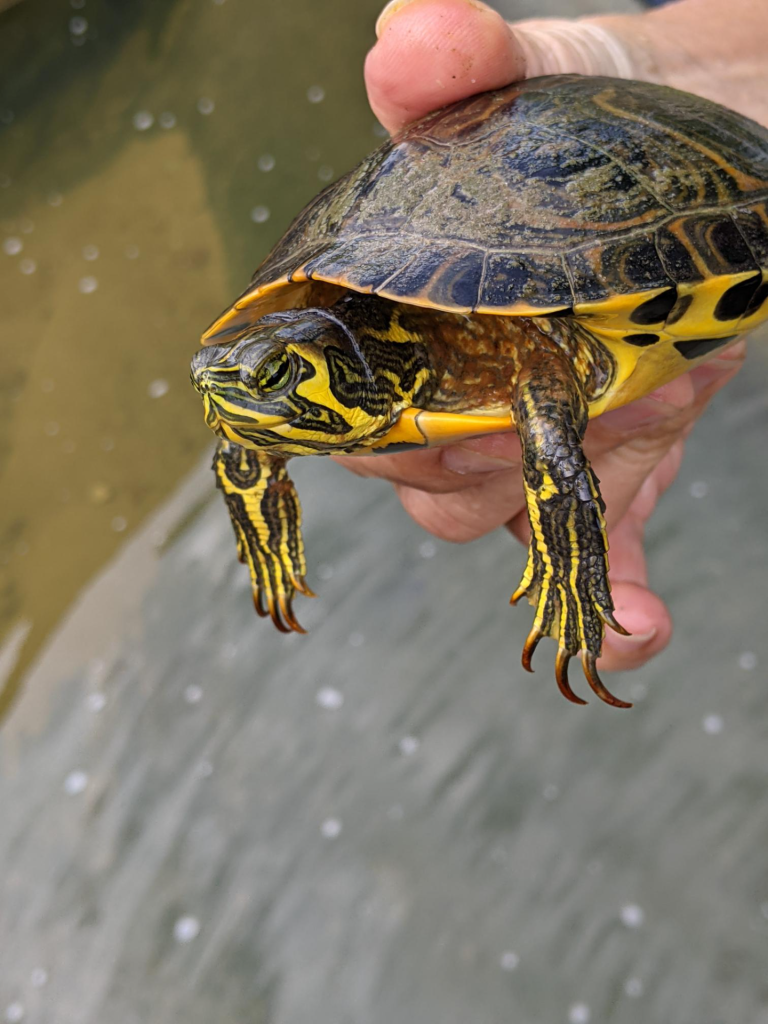
Humans have a long history of using turtles as a food source and, more recently, exploit turtles for the pet trade and hobby collections. Turtles win hearts regularly with their sheepish, yet oftentimes stately appearance. Just look at this face:
A Yellow-bellied Slider. Photo Credit: Alan Cressler
Read on for more facts about some of the turtle species that call Alabama home:
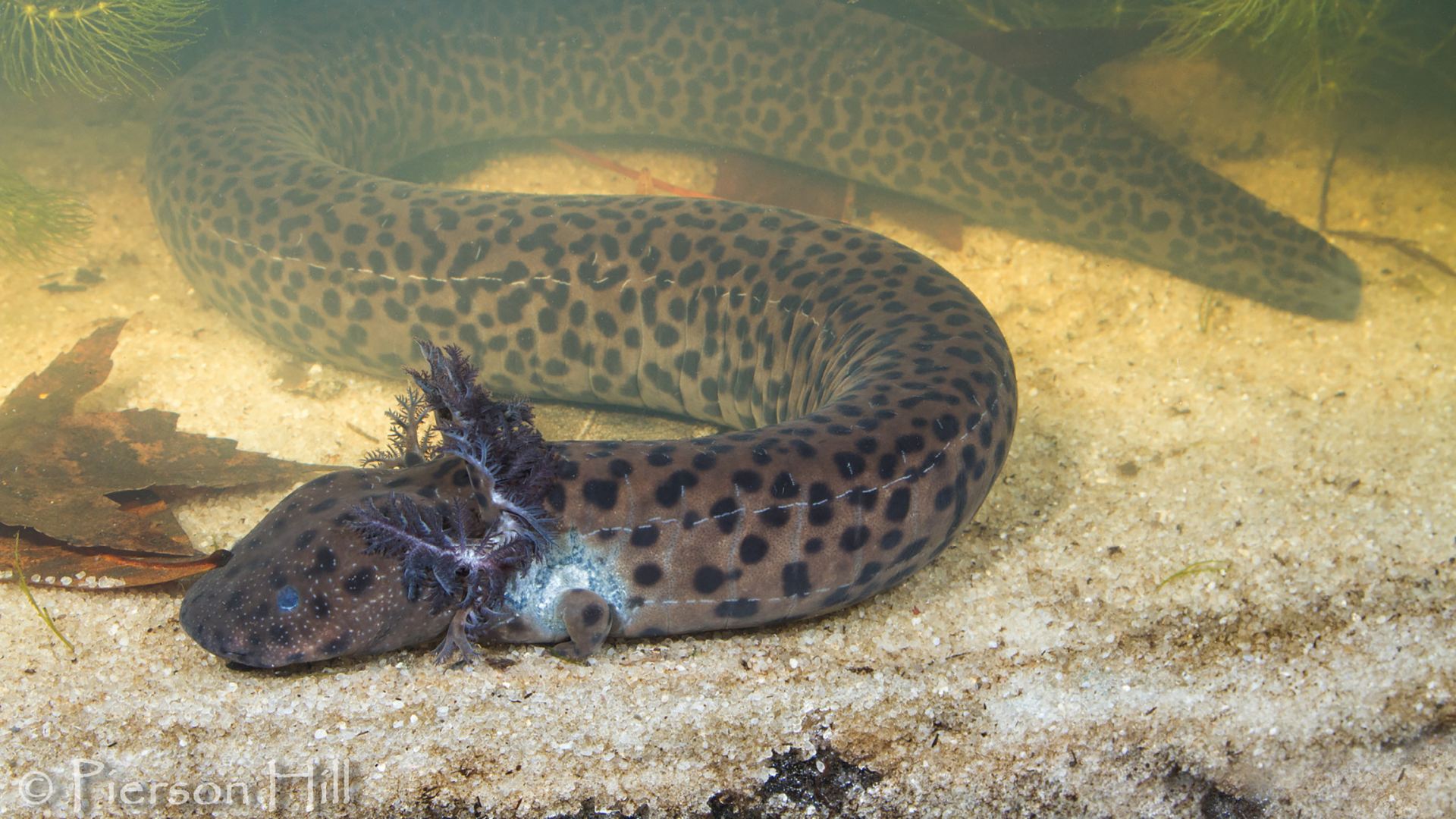
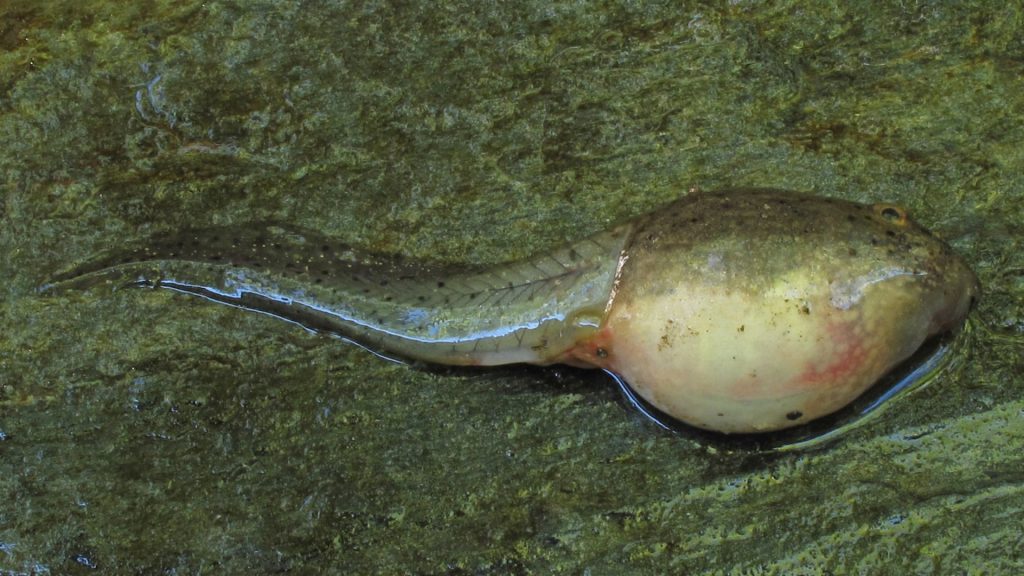
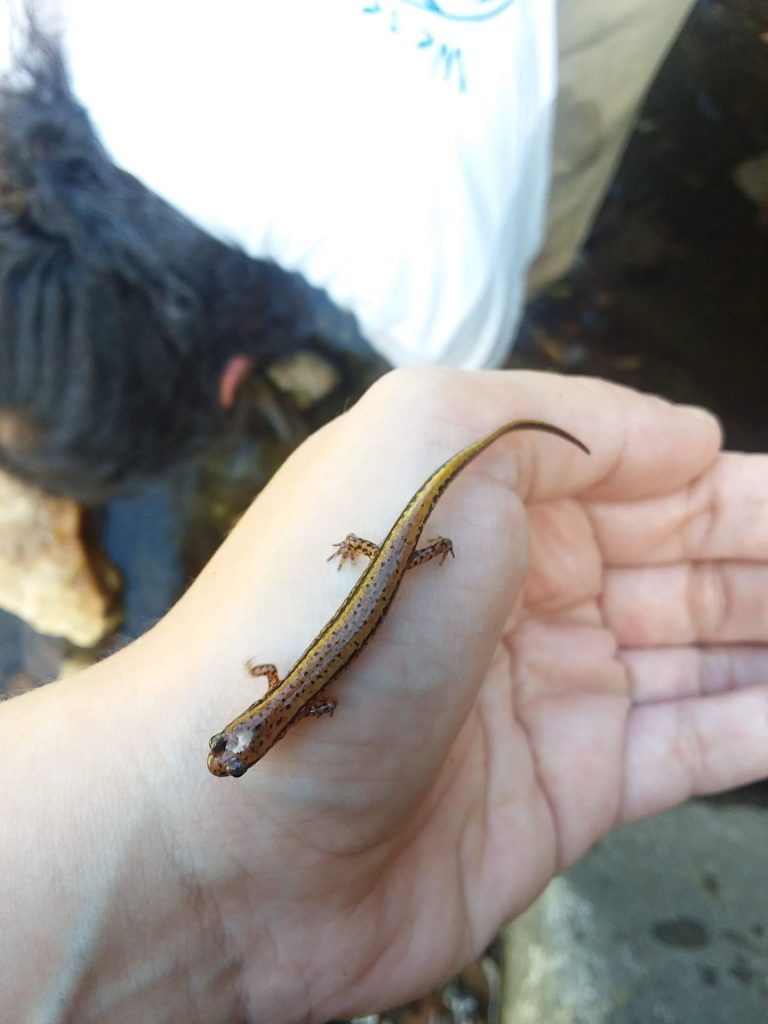
Our third installment of the 12 Months of Aquatic Critters blog series is Aquatic Amphibians! Amphibians are small vertebrates that need water or a moist environment to survive. This group of critters breathes and absorbs water through thin skin. The vast majority of amphibian larvae are aquatic and undergo metamorphosis (there are several forms!) to become terrestrial, semi-terrestrial, or aquatic adults.
AWW Staff and Volunteer Trainers have started off a strong 2023 Monitoring Training Season with nearly a dozen trainings including recertifications, full certifications, large trainings, and one-on-one sessions for over 170 monitors! Read on for a recap of staff-led trainings!
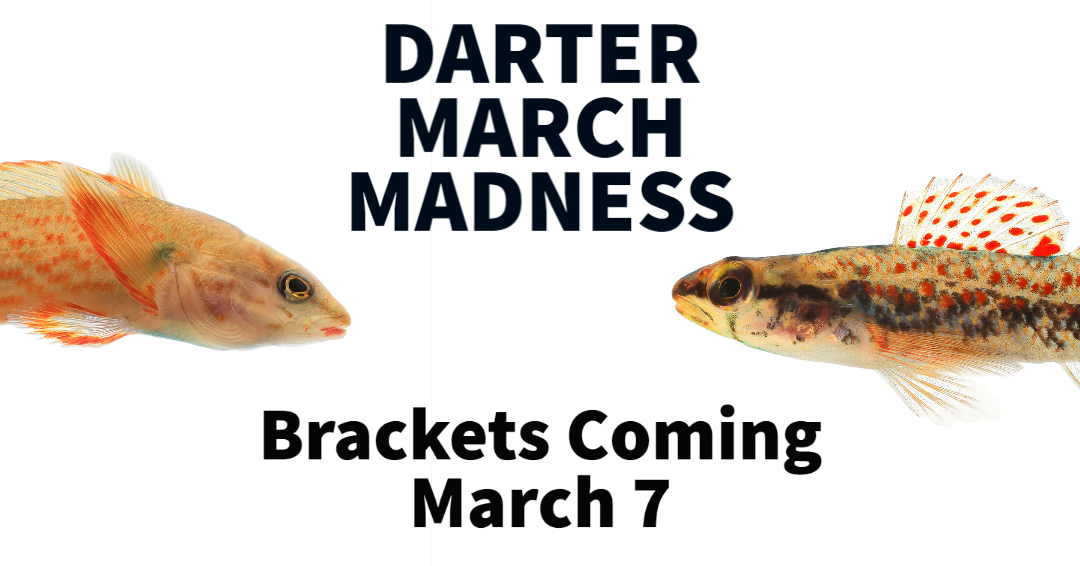
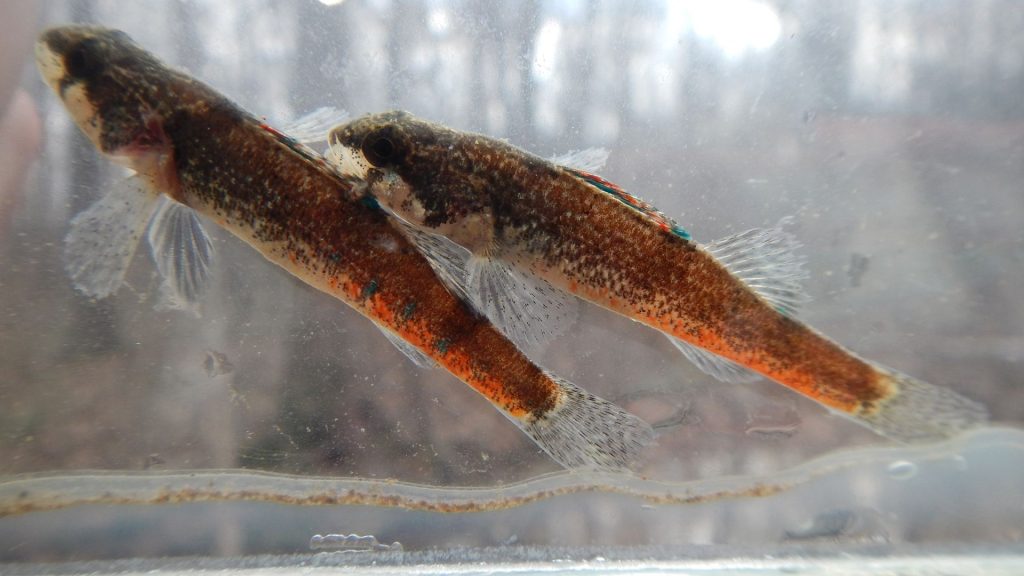
Darter match winners will be determined by popular vote via Facebook and Instagram Story Polls.Anyone can vote on social media for the darter winners, but only those who turn in a bracket, can win the competition and prize!
The bracket contest winner will be determined by the highest cumulative points earned (each matchup is assigned a point value for predicting the “winning darter”). Point values increase per match with each round.
AWW Program Staffers Mona and Sydney, along with former AWW Director Dr. Bill Deutsch, had a great few days learning and exploring at the 2023 Environmental Education Association of Alabama Conference at Lake Point State Park in Eufaula, AL in early February.
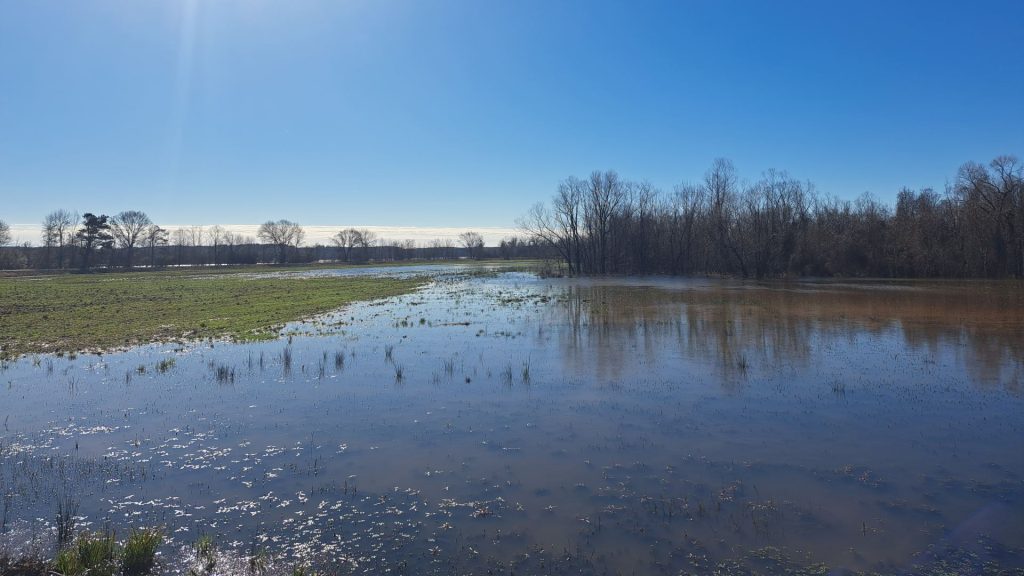
Eufaula National Wildlife Refuge. Photo credit: Sydney Zinner
The EEAA Conference was a great opportunity to meet and network with amazing environmental educators across Alabama, and to learn new and exciting ways to teach kids (and adults!) about environmental stewardship. Take a look at a few of the conference highlights below.
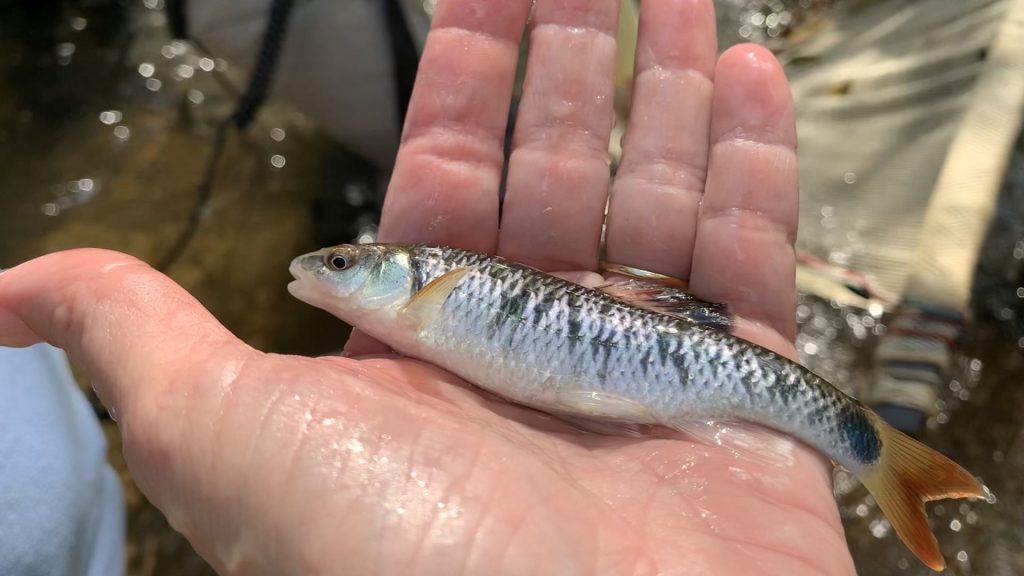
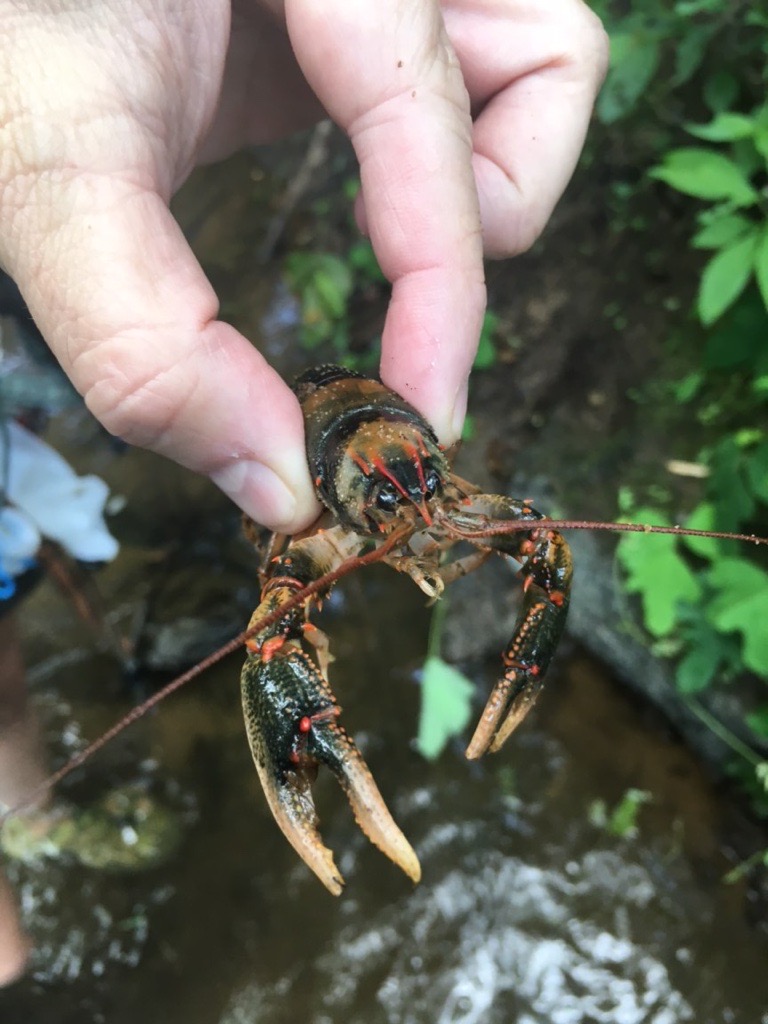
Alabama Water Watch will be celebrating native aquatic critters each month throughout the year of 2023! From the vastly underrated freshwater snails to the popular and stately sea turtles, we will take you on a journey through the various aquatic amphibians, fishes, insects, mammals, mollusks, and reptiles, that call Alabama home.